
Can foreigners own property in Bali? Not freehold, but Hak Pakai, HGB and leasehold are legal. Bali lawyers explain costs, terms and mistakes to avoid.

Can Foreigners Own Property in Bali? Legal Guide
Can foreigners own property in Bali? Not as freehold. Indonesian law reserves freehold title (Hak Milik) for Indonesian citizens only, and no foreigner or foreign company can hold it, directly or through a nominee. But foreigners can legally hold Bali property through three routes: Hak Pakai (Right to Use, personal, in their own name), Hak Guna Bangunan through a PT PMA (for commercial villas and hotels), or a notarised long-term leasehold. Each gives real, registrable, enforceable rights for up to 80 years.
Table of Contents
- The short answer: what you can and cannot own
- Hak Pakai: the foreign investor route for personal property
- Buying land in Bali as a foreigner through a PT PMA (HGB)
- Leasehold: the fastest way to buy property in Bali as a foreigner
- Why freehold Bali foreigner deals do not exist, and why nominees fail
- Taxes and costs table
- The most expensive mistake
- FAQ
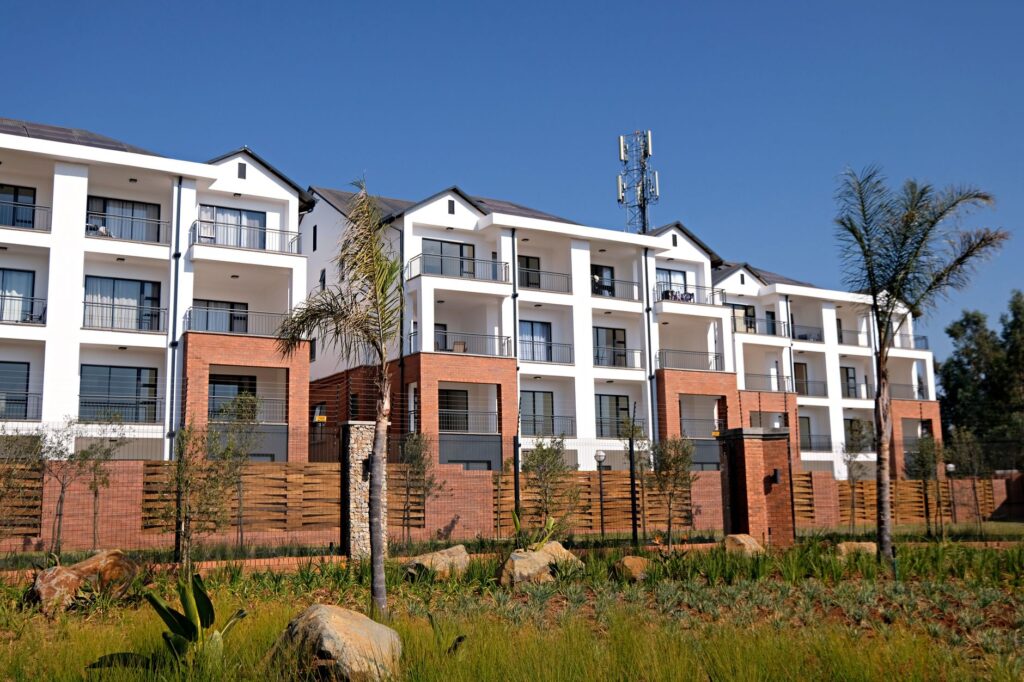
The short answer: what you can and cannot own
Indonesia's 1960 Basic Agrarian Law splits land rights into a hierarchy, and Hak Milik, the freehold tier, sits at the top and is reserved for Indonesian citizens by Article 21 of that law. This has not changed for 2026 and there is no draft legislation in front of parliament that would change it. So if someone tells you they can put a Bali villa on freehold title in your foreign name, they are either wrong or selling you a structure that Indonesian courts will not enforce.
What you actually get instead are three government-recognised alternatives, each with its own paperwork, holding period and tax treatment. Getting this choice wrong at the start is expensive to undo later, because switching title types after purchase usually means a fresh transaction, fresh transfer tax, and sometimes a fresh notary deed.
Hak Pakai: the foreign investor route for personal property
Hak Pakai is the closest thing to personal ownership a foreigner can hold in Bali. Under Government Regulation No. 18 of 2021, any foreigner holding a valid KITAS or KITAP can register Hak Pakai directly in their own name at the National Land Agency (BPN) office covering the property, which for most of south Bali means the BPN office in Denpasar or the Badung branch, not the immigration office.
The term structure is: 30 years initial, extendable by 20, renewable for a further 30, so up to 80 years total if every extension is filed on time. It covers both the land and any building on it, it can be inherited by a family member who also qualifies for a residence permit, and it can be sold, transferred or mortgaged like a real asset. If your KITAS or KITAP lapses and is not renewed, you have 12 months to transfer the title or convert it to a lease before it becomes a problem.
Eligibility in practice:
- Foreigners on a work, investor, retirement, family or second-home KITAS
- KITAP holders (permanent residence)
- Heirs who themselves hold a qualifying Indonesian residence permit
Badung regency, which covers Canggu, Seminyak, Kuta and Nusa Dua, sets a minimum transaction value for Hak Pakai of roughly IDR 5 billion for a house and IDR 3 billion for an apartment. Gianyar regency, covering Ubud and Sukawati, sets its own thresholds and these figures move periodically, so confirm the current number with a notary before you sign anything. Land in protected agricultural zones, green belt, or certain cultural and subak irrigation zones cannot be converted to Hak Pakai regardless of price. This is a zoning check our team runs before we let a client put down a deposit.
Buying land in Bali as a foreigner through a PT PMA (HGB)
If the property is a business, not a home, Hak Pakai is the wrong tool. A villa rental operation, a boutique hotel, a restaurant or a coworking space needs Hak Guna Bangunan (Right to Build) held by a PT PMA, a foreign-owned Indonesian limited liability company. This is the standard structure for buying land in Bali as a foreigner when the intent is commercial, and it is what most professional villa developers in Canggu and Uluwatu actually use.
HGB runs on the same 30 plus 20 plus 30 pattern as Hak Pakai, up to 80 years. Once your PT PMA is incorporated, with the correct KBLI business classification codes for real estate, hospitality or tourism, most of which allow 100% foreign ownership, the company is a domestic Indonesian legal entity and can hold HGB directly, invoice guests, employ staff, and pay corporate tax on rental income. None of that is legally possible for a foreigner holding property personally, which is a distinction a lot of villa owners discover too late when tax or immigration audits their rental income.
The other advantage: when you eventually sell, you can sell the PT PMA's shares to another foreign investor instead of transferring the land title itself, which avoids triggering BPHTB transfer tax a second time. It also ring-fences the property from the shareholder's personal liabilities, since the asset belongs to the company, not the individual.
Leasehold: the fastest way to buy property in Bali as a foreigner
Leasehold, Hak Sewa, is the quickest route if you do not hold a residence permit and do not want to run a company. It is a contractual right under Indonesian Civil Code articles 1548 to 1580, agreed directly with the Indonesian freehold owner, and it does not require BPN title registration in the way Hak Pakai or HGB does, though the deed itself should still be executed before a PPAT and recorded.
Typical Bali leases run 25 to 30 years with renewal options written into the original deed that can push the effective term to 50 or even 80 years. The deed, called an Akta Sewa, needs to come from a licensed PPAT notary, not a private agreement drafted between buyer and seller. A properly executed lease gives you exclusive possession, the right to build, the right to sublease or assign to another foreign buyer, and a locked-in renewal right at the price and terms set at signing. An unnotarised handshake lease has none of that protection and is routinely challenged in Bali land disputes.
Leasehold suits a personal-use villa or a shorter holding horizon. HGB through a PT PMA suits longer holds and active rental businesses. We frequently structure a hybrid: a PT PMA holding a long leasehold, which combines a lease's lower upfront tax with a company's ability to trade legally.
Why freehold Bali foreigner deals do not exist, and why nominees fail
Article 21(1) of the Basic Agrarian Law is direct: only Indonesian citizens hold Hak Milik. There is no visa, investment amount or company structure that gets a foreigner around this. Anyone offering a "freehold Bali foreigner" deal is describing something Indonesian law does not allow.
The workaround some agents still pitch is a nominee structure: an Indonesian citizen holds the freehold on paper, backed by a private side agreement promising to transfer beneficial ownership to the foreign buyer. These arrangements are void under Indonesian law, and Indonesian courts have repeatedly ruled the side agreement unenforceable, leaving the foreign buyer with no legal claim and the nominee holding the land outright. Foreign buyers have lost entire villa investments this way, and there is no reliable court remedy after the fact. If you already hold property under a nominee arrangement, it is often possible to restructure it into a legal Hak Pakai, HGB, or leasehold, but it requires a proper transfer, payment of BPHTB on the restructuring, and new registration at BPN. That conversation should start with a licensed PPAT, and it should start before, not after, an immigration or tax audit flags the arrangement.
Taxes and costs table
Budget for these one-off and recurring costs on a Bali property transaction. Exact figures depend on the regency, the transaction value, and the title type, and a PPAT will confirm precise numbers before the deed is signed.
| Cost item | Who pays | Typical rate |
|---|---|---|
| BPHTB (land transfer duty) | Buyer | 5% of value above the regional threshold |
| PPh Final (seller's income tax) | Seller | 2.5% of transaction value |
| PPN (VAT, new units from developer) | Buyer | 11% |
| Notary and PPAT fees | Buyer, usually | Around 1% of transaction value |
| BPN registration fee | Buyer | Varies by title type |
| Annual PBB (land and building tax) | Owner | Roughly 0.1% to 0.3% of NJOP per year |
| Leasehold withholding tax | Deducted from lease payment | Flat 10%, no BPHTB triggered |
Due diligence before you sign anything
A proper due diligence check in Bali covers certificate authenticity at the BPN office, the seller's ownership chain, zoning status (green, yellow or pink zone), existing encumbrances or liens, inheritance claims against the land, whether the seller's spouse needs to co-sign under matrimonial property rules, building permit status (PBG, and SLF for occupancy), and outstanding PBB tax. We run this check as standard before any client in Bali, from a Canggu land deal to a Sanur apartment, signs a deposit agreement. Skipping it is how buyers end up owning a dispute instead of a villa. Our property due diligence service in Bali covers all of this before money changes hands, and our notary and PPAT team handles the deed itself once the checks are clear.
The single most expensive mistake: buying through a nominee structure to get around the freehold rule. It feels simple at signing and it has cost foreign buyers entire properties, with no enforceable claim once a dispute reaches court. If someone in Bali offers you a freehold workaround, treat it as a warning sign, not a shortcut, and get a second opinion from an independent lawyer before you transfer any money.
FAQ
Can foreigners own property in Bali?
Foreigners cannot own freehold property in Bali, since Hak Milik is reserved for Indonesian citizens under the 1960 Basic Agrarian Law. Foreigners can legally hold Bali property through Hak Pakai in their own name if they hold a KITAS or KITAP, through Hak Guna Bangunan held by a PT PMA for commercial property, or through a notarised long-term leasehold of 25 to 30 years with renewal options.
What is Hak Pakai for a foreign investor?
Hak Pakai is a Right to Use title that foreigners holding a valid KITAS or KITAP can register in their own name at BPN. It runs 30 years initially, extendable by 20 and renewable for 30 more, up to 80 years total, and covers both land and buildings. It is inheritable by qualifying heirs and can be sold or mortgaged, but must be transferred within 12 months if the holder's residence permit lapses permanently.
Is there a way to get freehold as a foreigner in Bali?
No. There is no visa category, investment level, or company structure that grants a foreigner Hak Milik freehold title in Bali or anywhere in Indonesia. Nominee arrangements that put freehold on paper in an Indonesian citizen's name while a side agreement promises the foreigner beneficial ownership are void under Indonesian law and have repeatedly been struck down in court, leaving the foreign buyer with no legal remedy.
What is the minimum price to buy property in Bali as a foreigner under Hak Pakai?
Each regency sets its own minimum transaction value. In Badung regency, which covers Canggu, Seminyak, Kuta and Nusa Dua, the current minimum is roughly IDR 5 billion for a house and IDR 3 billion for an apartment. Gianyar regency, covering Ubud, sets separate figures. These thresholds change periodically, so confirm the current amount with a notary before signing a purchase agreement.
Should I buy through leasehold or set up a PT PMA?
Leasehold is cheaper and faster, with no company formation or annual filings, and suits a personal-use villa or a shorter holding period. A PT PMA holding HGB title suits commercial operations like villa rental businesses or hotels, since only a legal entity can invoice guests and pay tax on rental income lawfully. Many buyers combine both, with a PT PMA holding a long-term leasehold.
What taxes do foreigners pay when buying property in Bali?
Buyers typically pay BPHTB land transfer duty of 5% above a regional threshold, notary and PPAT fees around 1% of transaction value, and BPN registration fees that vary by title type. Sellers pay a 2.5% final income tax. New units from a developer add 11% VAT. Leasehold deals skip BPHTB but attract a flat 10% withholding on lease payments. A PPAT confirms exact figures before the deed is signed.
If you are weighing Hak Pakai against a PT PMA structure, or need a title checked before you commit to a Bali property, send the details on WhatsApp to +62 877-9626-0478 or reach us through our contact page. The first consultation is free, and if a PT PMA turns out to be the right route we can walk you through PT PMA setup and cost in Bali and the visa side through our Bali visa agency service.