
Visa Options for Expats Living in Bali - KITAS, KITAP, and Business Visas Explained
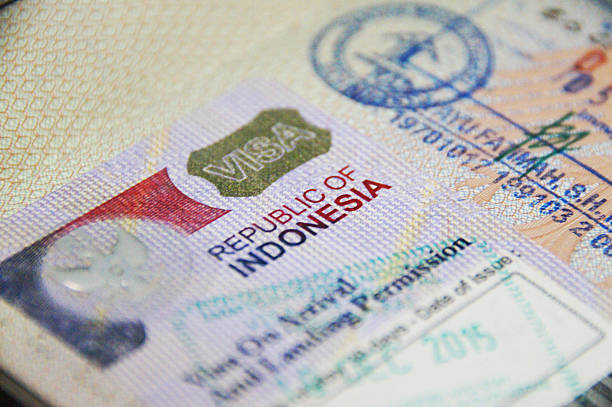

Bali has long been a magnet for expatriates seeking a vibrant lifestyle, tropical climate, and thriving business opportunities. Whether you are planning to work, retire, or run a business in Bali, understanding the available visa options is critical for legal residency and compliance with Indonesian immigration laws.
At The Bali Lawyer, a professional law service based in Bali, we specialize in helping expats navigate the complex visa process. This guide provides a comprehensive overview of visa types available for expats in Bali, including KITAS, KITAP, and business visas, and outlines the legal requirements, application process, and benefits of each.
Understanding Bali’s Visa System for Expats
Indonesia has a structured visa system that regulates foreign residency. Visas vary depending on the purpose of stay, duration, and eligibility criteria. The most common visas for long-term stays in Bali are:
KITAS (Limited Stay Permit)
KITAP (Permanent Stay Permit)
Business Visa (Multiple Entry and Limited Business Visa options)
Each visa type serves different purposes and comes with specific requirements. Choosing the right visa ensures that your stay in Bali is legally compliant and hassle-free.
1. KITAS – Limited Stay Permit
The KITAS (Kartu Izin Tinggal Terbatas) is the most widely used visa for expats seeking to live in Bali temporarily. It is a residency permit that allows foreigners to stay in Indonesia legally for a limited period, typically 6 months to 1 year, with possible extensions.
Who Can Apply for KITAS?
Employees or professionals working for Indonesian companies
Retirees meeting the minimum age and financial requirements
Investors and business owners who operate a PT PMA (foreign investment company)
Spouses and dependents of Indonesian citizens or KITAS holders
Types of KITAS
Work KITAS: For foreign employees legally employed in Indonesia. Requires sponsorship from an Indonesian company.
Retirement KITAS: For retirees aged 55 or older who meet income and health requirements.
Dependent KITAS: For spouses and children of KITAS holders or Indonesian citizens.
Investor KITAS: For foreigners investing in Indonesian businesses or property via a PT PMA.
Benefits of KITAS
Legal long-term stay in Bali
Ability to apply for a bank account, SIM card, and other local services
Spouses and children can obtain dependent KITAS
Eligibility to convert into a KITAP after consecutive years
Application Process
Obtain sponsorship from a company, family member, or PT PMA.
Submit the required documents to the Indonesian Immigration Office, including passport, sponsor letter, and application form.
Receive an entry visa (usually on arrival at an airport or embassy).
Complete the KITAS card issuance process, which includes biometric data and photos.
Renew annually or according to the specific KITAS type.
2. KITAP – Permanent Stay Permit
The KITAP (Kartu Izin Tinggal Tetap) is a permanent residence permit that allows foreigners to live in Bali legally for an extended period, usually 5 years, and it is renewable. It is generally available to those who have held a KITAS for several consecutive years.
Eligibility for KITAP
Foreigners who have held a KITAS for 3 to 5 consecutive years
Spouses of Indonesian citizens
Retirees with valid retirement KITAS
Investors or business owners with long-term commitment in Indonesia
Benefits of KITAP
Long-term legal residency in Bali without frequent renewals
Dependent visas for spouse and children
Greater ease of access to local services such as bank accounts, schooling, and property rental
Pathway to eventual Indonesian citizenship in some cases
Application Process
Submit a KITAP application at the Immigration Office with your current KITAS.
Provide required documents, including marriage certificate (if spouse), proof of continuous residence, and financial proof.
Attend an interview and biometric registration.
Receive KITAP card and residency approval.
3. Business Visa
Bali is a hub for entrepreneurship, tourism, and international investment. Expats planning to conduct business activities, explore partnerships, or attend corporate meetings require a business visa.
Types of Business Visa
Limited Business Visa: Typically allows a stay of 60 days per visit, often extendable up to 6 months. Suitable for short-term business meetings, consultations, or attending seminars.
Multiple Entry Business Visa: Valid for 1 year, allowing multiple trips to Bali for business purposes.
Eligibility and Requirements
Passport with a validity of at least 6 months
Sponsorship letter from an Indonesian company, organization, or business partner
Supporting documents such as business invitations, contracts, or proof of investments
Health and travel insurance may be required
Benefits of a Business Visa
Legal entry and stay for business-related activities
Access to local meetings, contracts, and corporate negotiations
Ability to apply for KITAS or investor KITAS if planning long-term business operations
Application Process
Obtain an invitation letter from an Indonesian company or official organization.
Apply through the Indonesian embassy or consulate in your home country, or via the online visa system.
Upon approval, enter Indonesia and complete immigration clearance at the airport.
For multiple entry visas, renew annually to maintain continuous business access.
Important Considerations for Expats in Bali
Living in Bali legally as an expat involves understanding both immigration and local regulations. Below are essential considerations:
Compliance with Indonesian Immigration Law
Overstaying a visa can result in fines, deportation, or bans on future entry.
Always renew visas and permits according to official timelines.
Work Authorization
A business or work KITAS is required to legally work in Indonesia.
Freelance or informal work without proper authorization is prohibited.
Sponsorship Requirement
Most visas require a local sponsor, whether a company, family member, or government entity.
The sponsor is legally responsible for supporting your visa status.
Tax and Financial Obligations
Long-term residents may have tax obligations in Indonesia.
Legal consultation ensures compliance with income, corporate, or property taxes.
Dependent Visas
Spouses and children can obtain dependent KITAS, ensuring family legal residency.
Dependent visas are linked to the primary visa holder’s status.
Pathway to Permanent Residency
Continuous KITAS holders can apply for KITAP after 3-5 years.
KITAP offers stability and reduced administrative requirements.
Why Work with a Legal Expert like The Bali Lawyer
Navigating the complex Indonesian visa system can be challenging for expats. At The Bali Lawyer, we provide professional legal services tailored for foreign residents in Bali.
Our services include:
Visa assessment and recommendation for your purpose of stay
Complete application support for KITAS, KITAP, and Business Visa
Guidance on dependent visas for family members
Compliance with Indonesian immigration and tax laws
Liaising with Immigration Office and other authorities to ensure smooth processing
By partnering with a trusted legal service, you reduce the risk of visa rejection, legal issues, and delays in residency approvals.
Tips for Expats Applying for Visas in Bali
Plan Ahead
Visa applications can take time. Start the process well before your intended move or trip.
Ensure Complete Documentation
Submit all required documents, including passport copies, sponsor letters, financial proofs, and health records.
Choose the Right Visa Type
Identify whether a KITAS, KITAP, or Business Visa best suits your stay and activities in Bali.
Regularly Check Immigration Updates
Indonesian visa regulations may change. Stay informed to maintain compliance.
Consult Legal Experts
Legal guidance helps you navigate complex rules and ensures a smooth, stress-free process.
Bali offers an attractive lifestyle and business environment for expatriates, but staying legally requires careful planning and compliance with Indonesian immigration laws. Understanding the differences between KITAS, KITAP, and Business Visa, and knowing which option fits your situation, is essential for long-term residency and peace of mind.
At The Bali Lawyer, we specialize in guiding expats through the legalities of visas, residency, and compliance in Bali. Whether you are moving for work, retirement, or business opportunities, our expert team ensures your visa application is handled efficiently and correctly.
Living in Bali legally as an expat has never been easier with professional support. Contact The Bali Lawyer today to explore your visa options and secure your residency in Bali with confidence.